

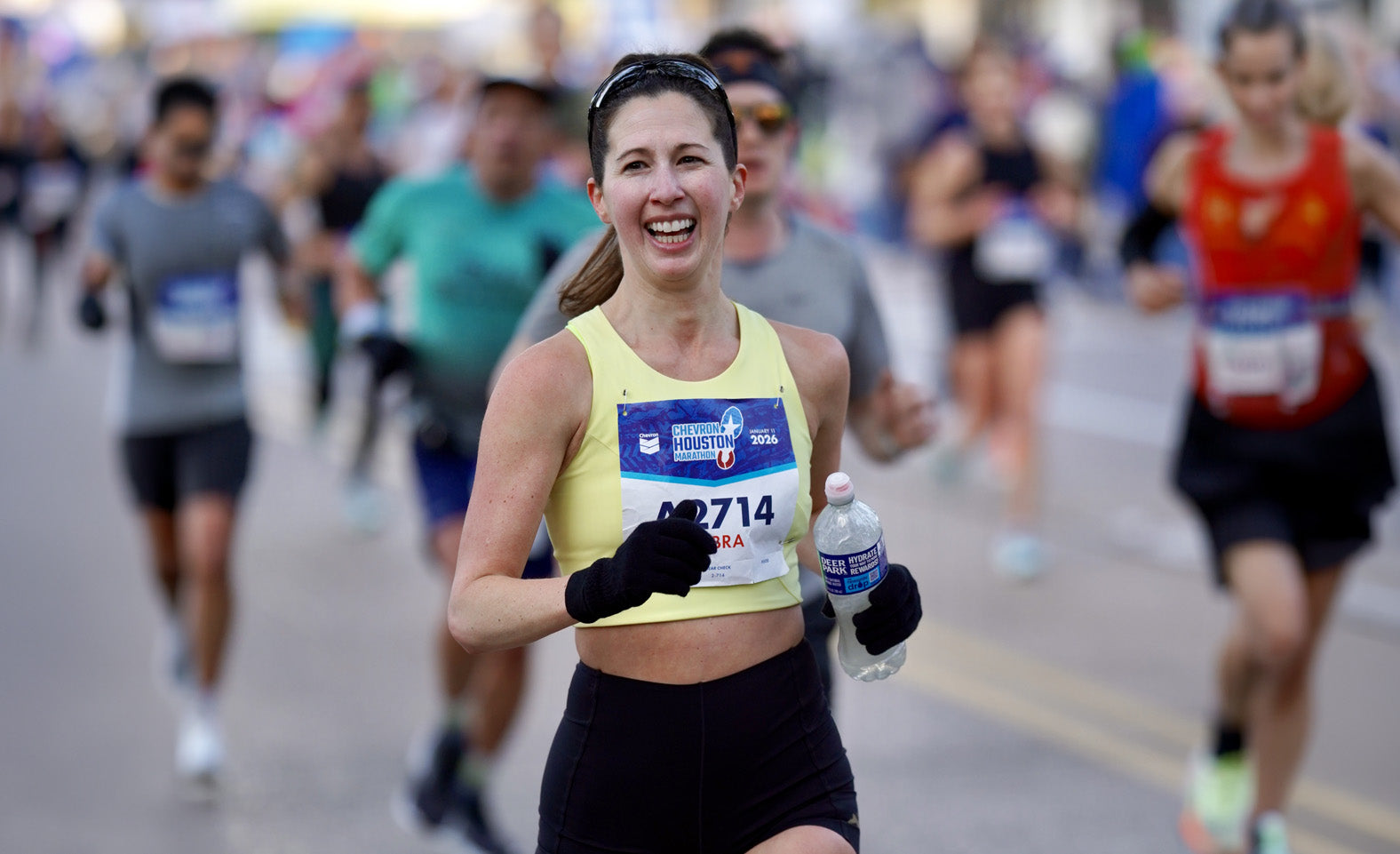
How Pilates Helps Me Train for Marathons
Elizabeth Clor talks about her experience.
I’ve been running marathons for over 20 years, and if there’s one thing I’ve learned, it’s this: Just running isn’t enough to get better. The body needs more than just miles.
My sister has been doing Pilates for years and has always talked about how strong it makes her feel. That’s what finally motivated me to try it myself. Last June, I started taking Pilates classes three times a week at Club Pilates. Since then, I’ve noticed a significant difference in how I feel, as well as in my running performance, especially now as I prepare for Boston.
Full-Body Strength
Although Pilates is primarily known for building core strength, it actually strengthens the entire body. Strength in the hips and glutes is particularly crucial for running. Strong hips and well-developed glutes contribute significantly to improved running form and efficiency. The power generated while running should primarily come from the glutes. Pilates exercises like glute bridges not only help me specifically strengthen these muscles but also develop better body awareness, so that I actively engage them while running instead of relying mainly on my calves and thighs. Insufficient activation of the glutes can be a significant risk factor for running injuries, particularly in connection with reduced hip stability.
Leg Strength
Pilates strengthens the legmuscles by specifically targeting not only the large muscle groups but also the smaller stabilizing muscles responsible for alignment and movement control. This type of strength improves efficiency when pushing off the ground and has a direct positive impact on speed and power development. In my preparation for the Boston Marathon, this will particularly help me better handle the hills toward the end of the race.
Mobility and Stability
Good mobility allows runners to efficiently utilize their full range of motion, which significantly improves stride dynamics. Over time, running often leads to a feeling of tightness and stiffness—Pilates encourages me to perform movements I wouldn’t otherwise do. My hips feel more flexible, my running style has become smoother, and I feel less restricted when I run faster or cover longer distances. Pilates prevents stiffness and ensures that movements remain fluid.
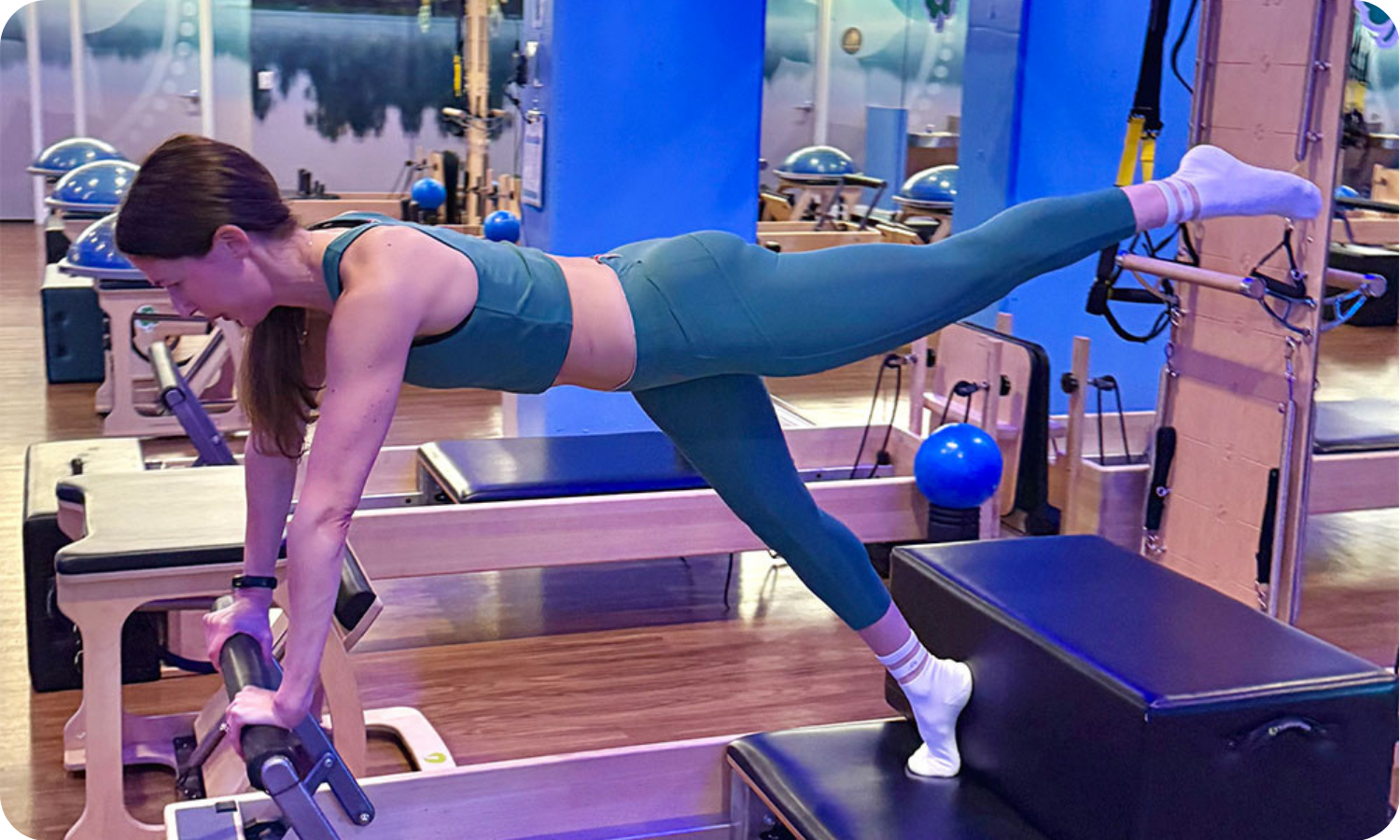
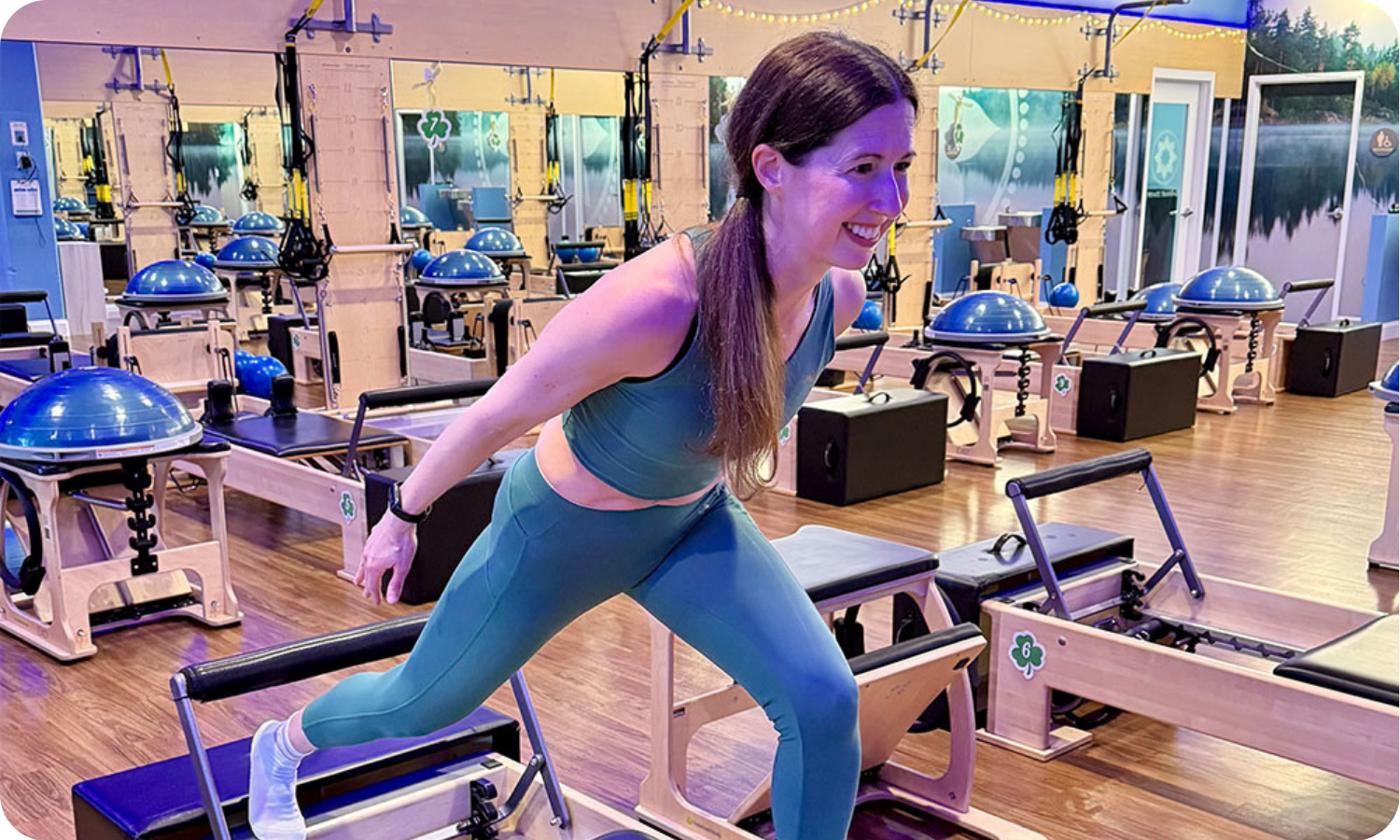
Eve’s Lunge is particularly effective for runners because it stretches tight hip flexors. These muscles tend to tighten due to the constant forward motion of running and can limit stride length if they aren’t specifically mobilized. “Feet in Straps” also targets the hamstrings in a controlled yet lengthening manner. This not only builds strength but also improves flexibility, so you not only become stronger but can also move freely and without strain across a greater range of motion.
Since I started incorporating Pilates into my training routine, I’ve also noticed that I can run longer distances without feeling like I’m pushing myself too hard. Overall, I feel more stable and better prepared for the physical demands—and I haven’t had any major injuries since then.
Running Mechanics
Pilates supports proper running form by improving body alignment, posture, and the body’s ability to function as a unified whole. I’m much more conscious now of keeping my shoulders down and back, rather than letting them drift up and forward—especially when I’m tired. Many Pilates exercises promote exactly this posture, so that it feels completely natural and becomes a habit. When your posture is optimal, everything runs more efficiently. Your breathing, arm swing, and stride all benefit from it.
Timing
I usually combine Pilates with my more intense training days, such as tempo runs, long runs, or interval training. This way, the demanding days remain truly challenging, while the easier days serve as genuine recovery. Sometimes I even walk to my Pilates class to incorporate additional, joint-friendly movement without putting further strain on my body. This promotes blood circulation and supports muscle recovery.
Pilates has become an integral part of my workout routine. It helps me stay consistent, stay healthy, and feel stronger overall, especially now as I’m training for Boston. And the best part is: I enjoy it, and that’s exactly why I’ll stick with it in the long run.
Elizabeth Clor
Elizabeth Clor is a marathon runner, coach, and author who has completed 39 marathons over the course of two decades. She is the author of *Boston Bound*, a book about overcoming mental barriers in running, and documents her journey on her blog, *Racing Stripes*. She also shares her insights, training tips, and perspectives daily on social media. In 2026, she will celebrate her 20th anniversary as a marathon runner. Away from the running trails, Elizabeth serves as Chief Marketing Officer at a technology company. In her free time, she enjoys playing the piano and spending time with her husband, Greg.